"It was the best! Had so much fun the whole time! Ronny was a great driver and Carlos vaskez and jimmy martinez were great at instructions on the bus and made the ride very fun! Miguel or Mike Tisson was a great river guide and helped us all to have a great ride"
Pacuare · Balsa · Sarapiquí · Costa Rica
Costa Rica White Water Rafting: A Guide to the Rivers
From the family-friendly Class 2-3 rapids of the Balsa River near La Fortuna and Arenal to the world-famous Class 3-4 whitewater of the Pacuare, this is the lay of the land for costa rica white water rafting — which river to run, when to go, and how to book a guided trip with gear and transport included.
From
$79
per person
Free cancellation
- 4.9 / 5 670+ Reviews
- Pacuare & Balsa Costa Rica Rivers
- English Guides Local Experts
- Free Cancellation
The Experience
What a Costa Rica Rafting Trip Is Like
Tropical whitewater with sloths and toucans on the banks, fruit stops between rapids, gear and a bilingual guide included — on the Balsa, the Pacuare, and the rivers in between.
Highlights
- Take part in a thrilling rafting trip down the beautiful Blasa River
- Navigate class 2 and 3 whitewater rapids with your expert guides
- Stop to enjoy fresh fruits and swim at one of the most beautiful sections of the river
- Keep your eyes peeled for local wildlife including sloths and monkeys
What's Included
- 2-hour whitewater rafting
- Safety equipment (lifejacket, helmet, paddle)
- Bilingual guide
- Seasonal fruit
- Lunch
- Water and towels at the end of the tour
- Transportation
How to Book Your Costa Rica Rafting Trip
Four steps from picking a river to pushing off from the bank.
Pick Your River
Choose the run that fits your group — the gentle Class 2-3 Balsa near La Fortuna and Arenal for families and first-timers, or the world-famous Class 3-4 Pacuare from San José for a full bucket-list day. Each river has its own character and season.
Select Your Date & Time
Pick an available slot. Costa Rica rivers run year-round; the green-season rains from May to November bring bigger, faster water, while the drier months are warmer and friendlier. Free cancellation on most trips up to 24 hours ahead.
Book Securely Online
Reserve through our trusted booking partner — instant confirmation by email, no deposit games. Most trips include round-trip transport from your hotel, so all you bring is a swimsuit and closed-toe shoes.
Gear Up & Push Off
Meet your bilingual guides, get fitted with a helmet, life jacket and paddle, and run through the safety briefing. Then drop into the river and let the rapids — and the sloths, monkeys and waterfalls on the banks — do the rest.
Photo Gallery
On the Water — Through the Lens
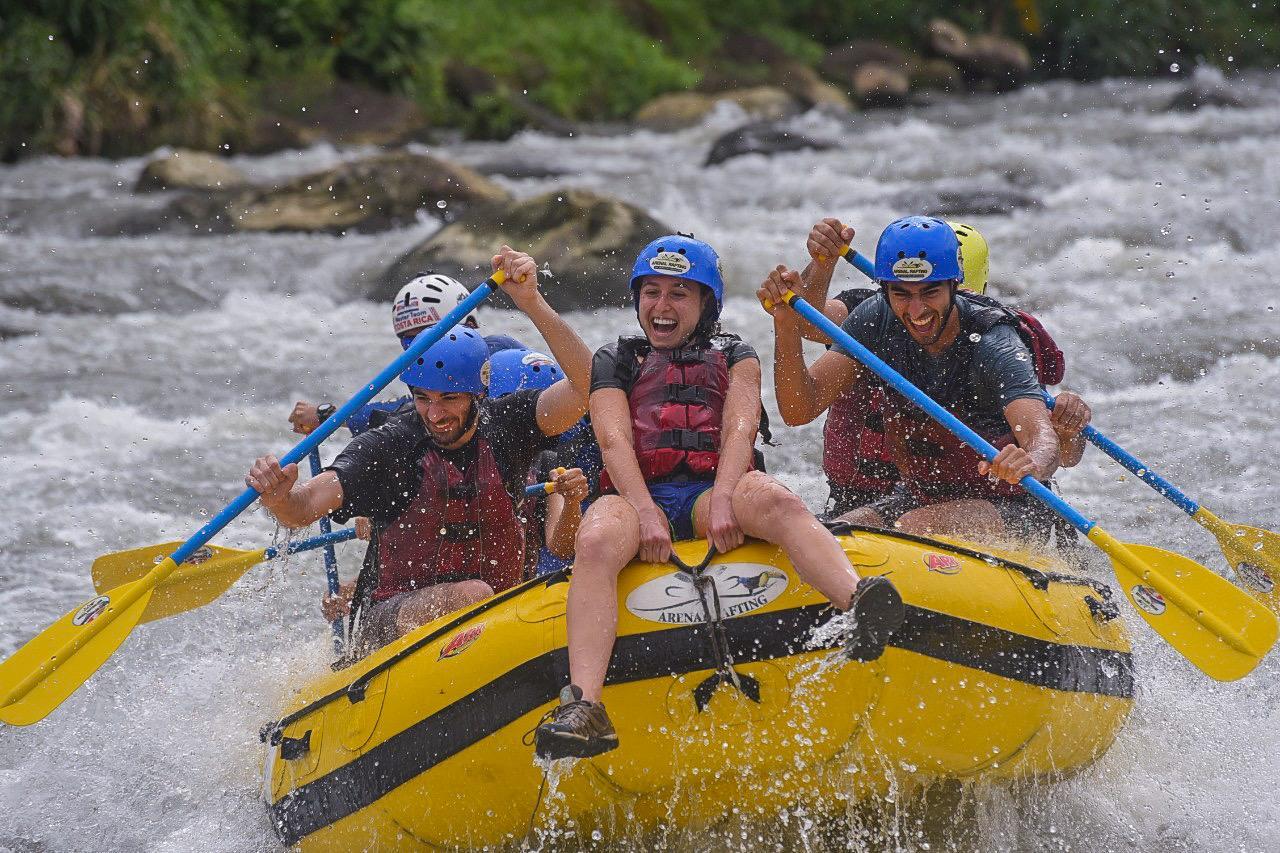
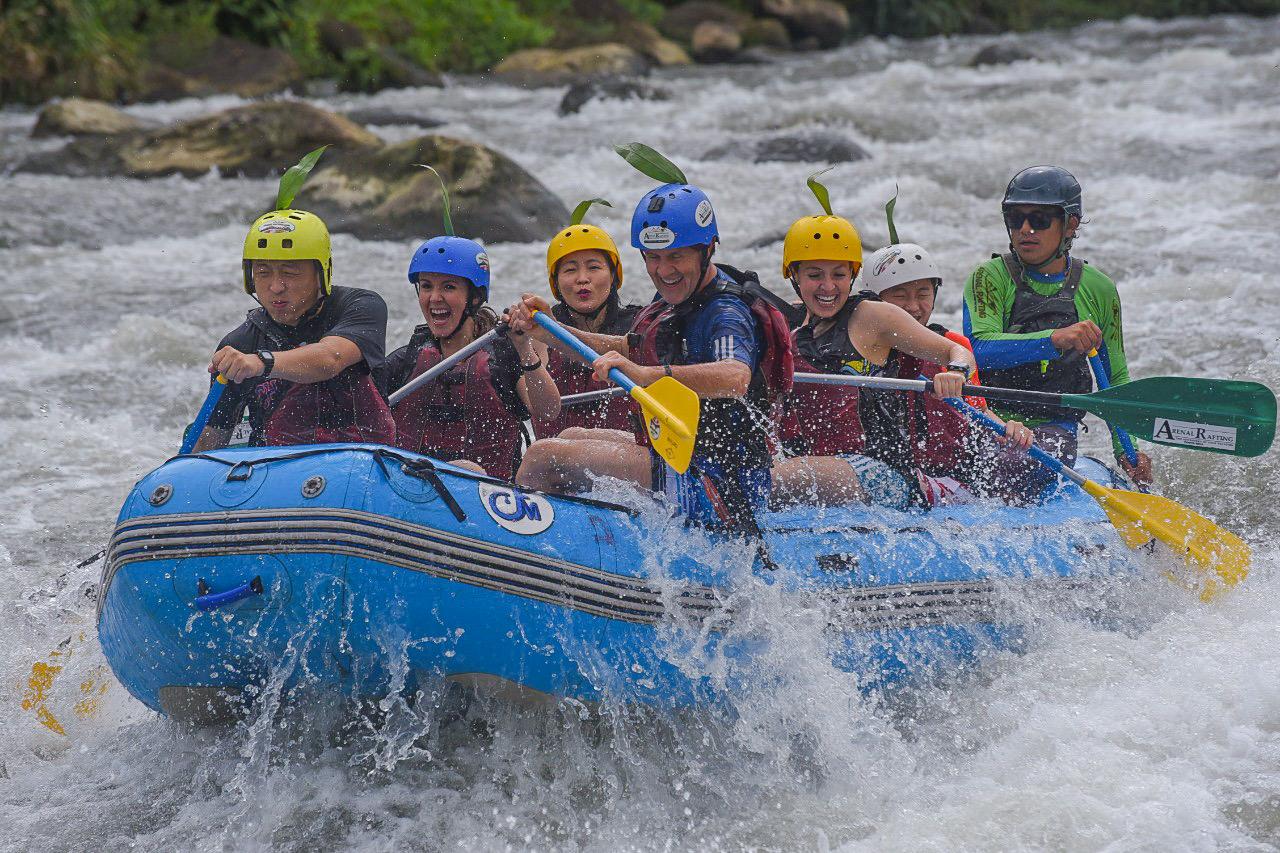
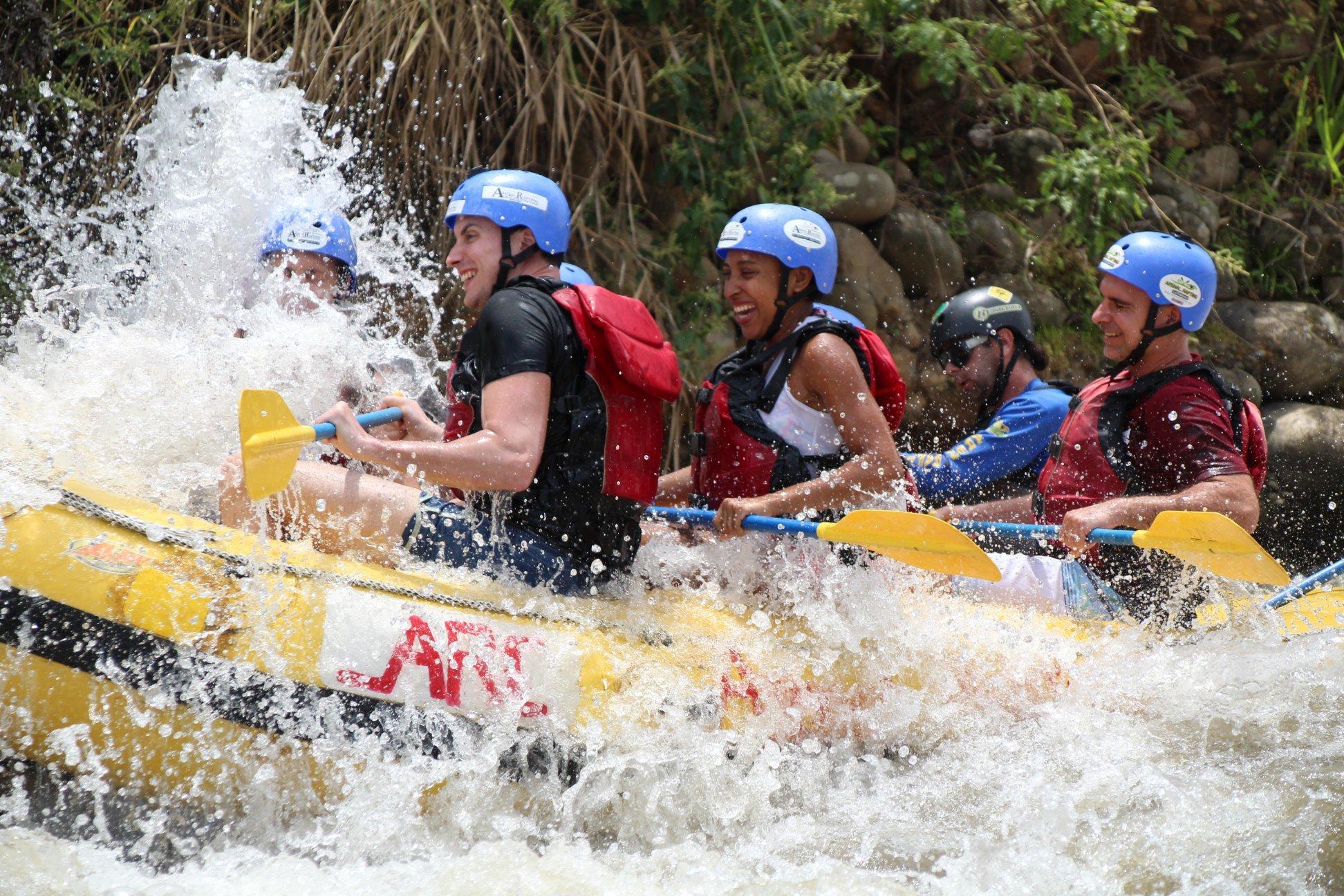
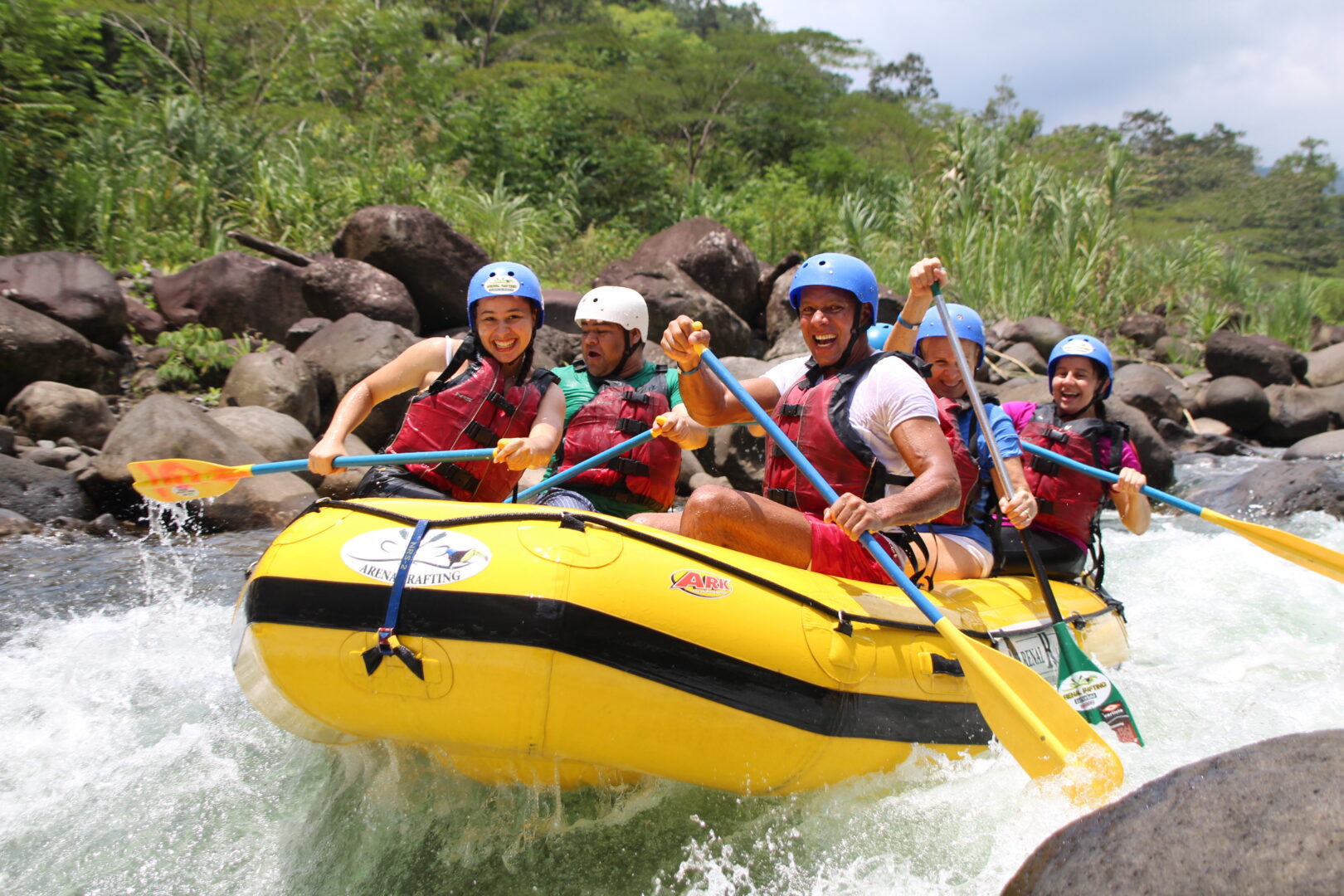
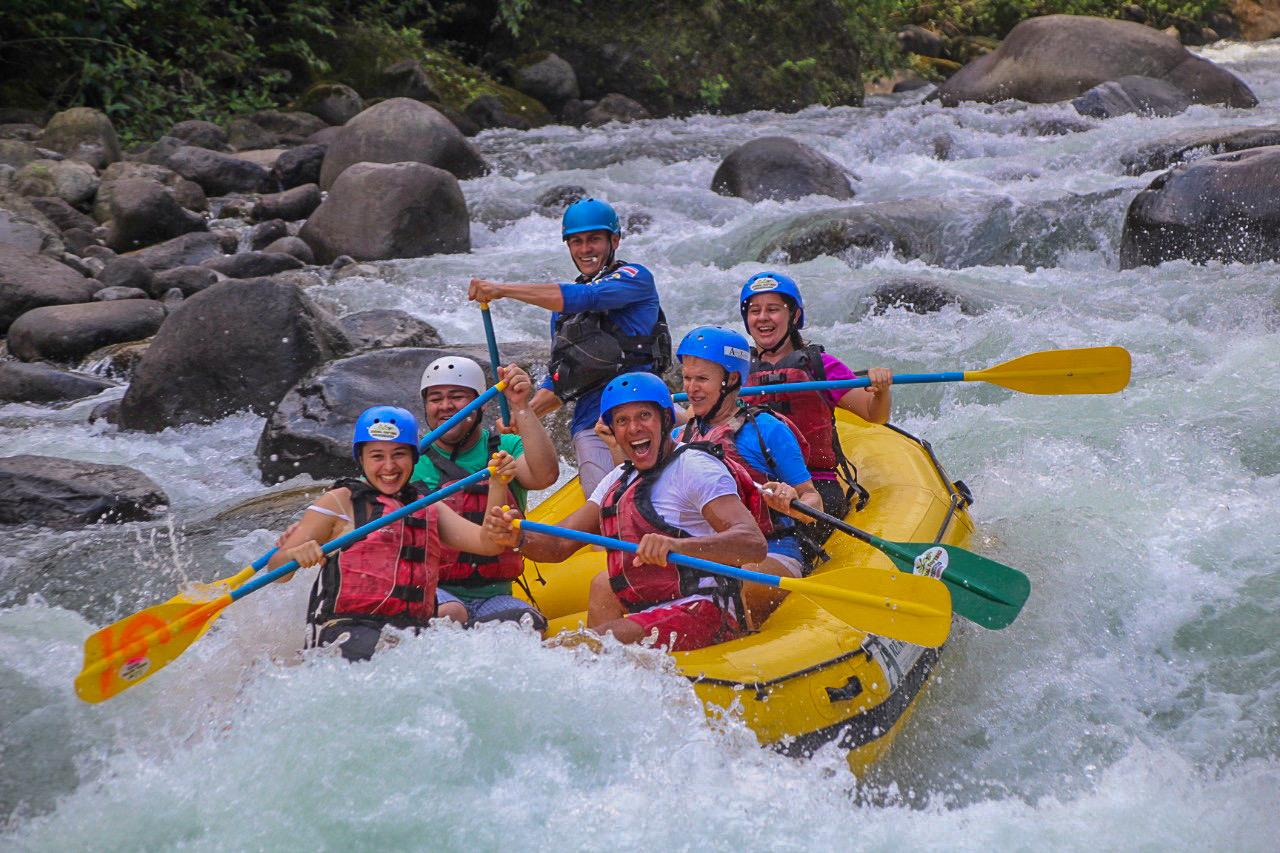
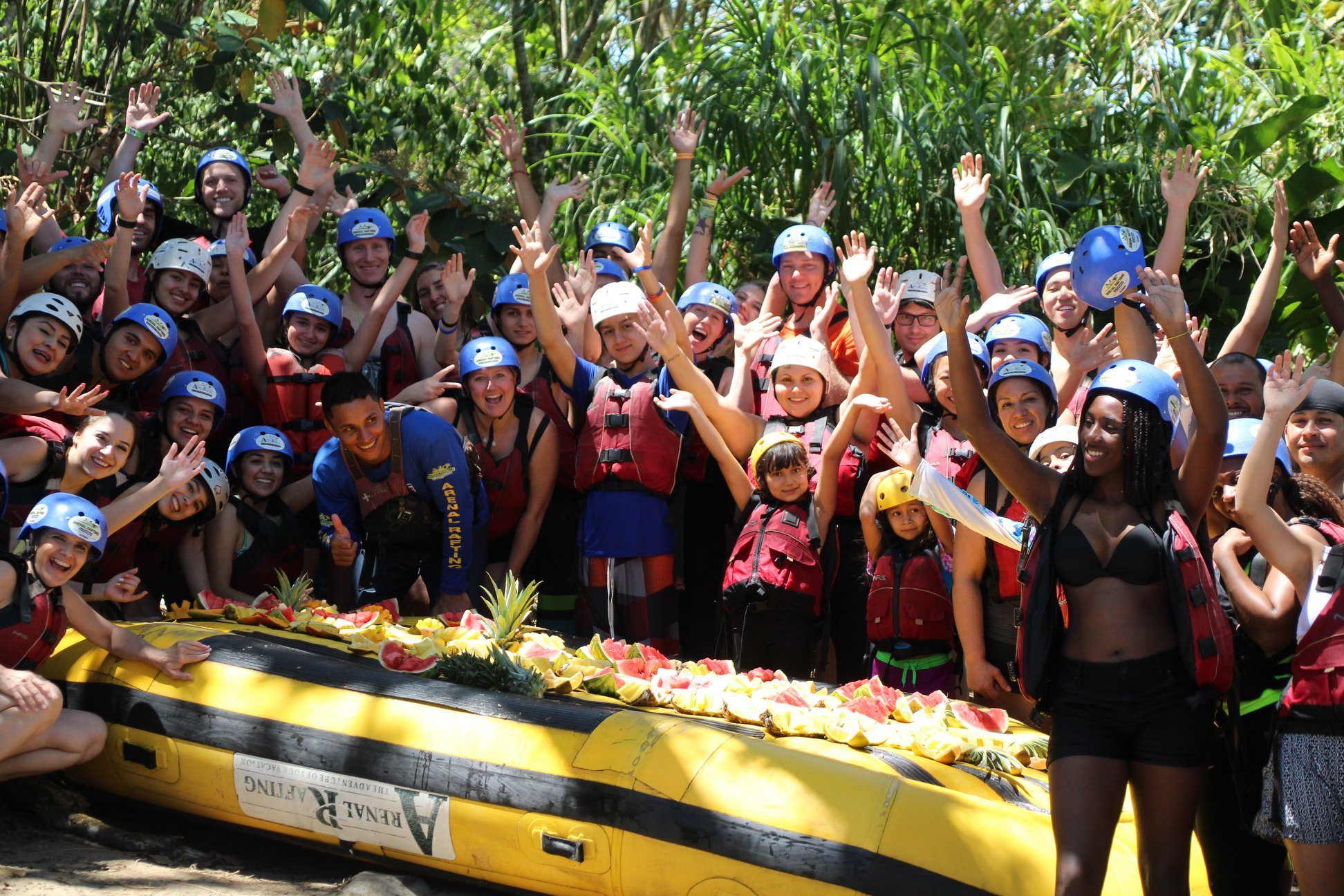
Wave trains on the Balsa, the green walls of the Pacuare gorge, and the calm pools where the river lets you swim.
Book Your Experience
Check Availability & Prices
Select your preferred date and time. Cancel up to 24 hours in advance for a full refund.
Compare Costa Rica Rafting Trips: Balsa vs Pacuare
Two real guided rivers, lined up so you can match the whitewater to your group.
| Feature | MOST POPULAR Balsa River — La Fortuna / Arenal | Pacuare River — From San José |
|---|---|---|
| Starting Price | From $79/per person | From $128 |
| River & Class | Balsa River — Class 2–3 | Pacuare River — Class 3–4 |
| Base / Pickup | La Fortuna & Arenal hotels | San José area hotels (via Turrialba) |
| Trip Style | Half-day, ~2.5h on the water | Full day, ~5h rafting + transfers |
| Best For | Families & first-timers wanting fun, forgiving rapids | Fit adventurers wanting a bucket-list gorge day |
| On the Banks | Sloths, monkeys, exotic birds; fruit & swim stop | Rainforest gorge, waterfalls, sloths, toucans, coatis |
| Min Age | Family-friendly (check your booking) | Around 12 years and up |
| Included | Gear, bilingual guide, lunch, transport, fruit | Gear, guides + safety kayaker, breakfast, lunch, transport |
| Rating | 4.9 (670 reviews) | 4.6 (259 reviews) |
| Free Cancellation | Yes — up to 24h before | Yes — up to 24h before |
| Book the Balsa Trip | View the Pacuare Trip |
Compare Real Costa Rica Rafting Trips
The family-friendly Balsa near Arenal or the bucket-list Pacuare from San José — two real guided trips, both. Dates and cancellation terms are on each listing.
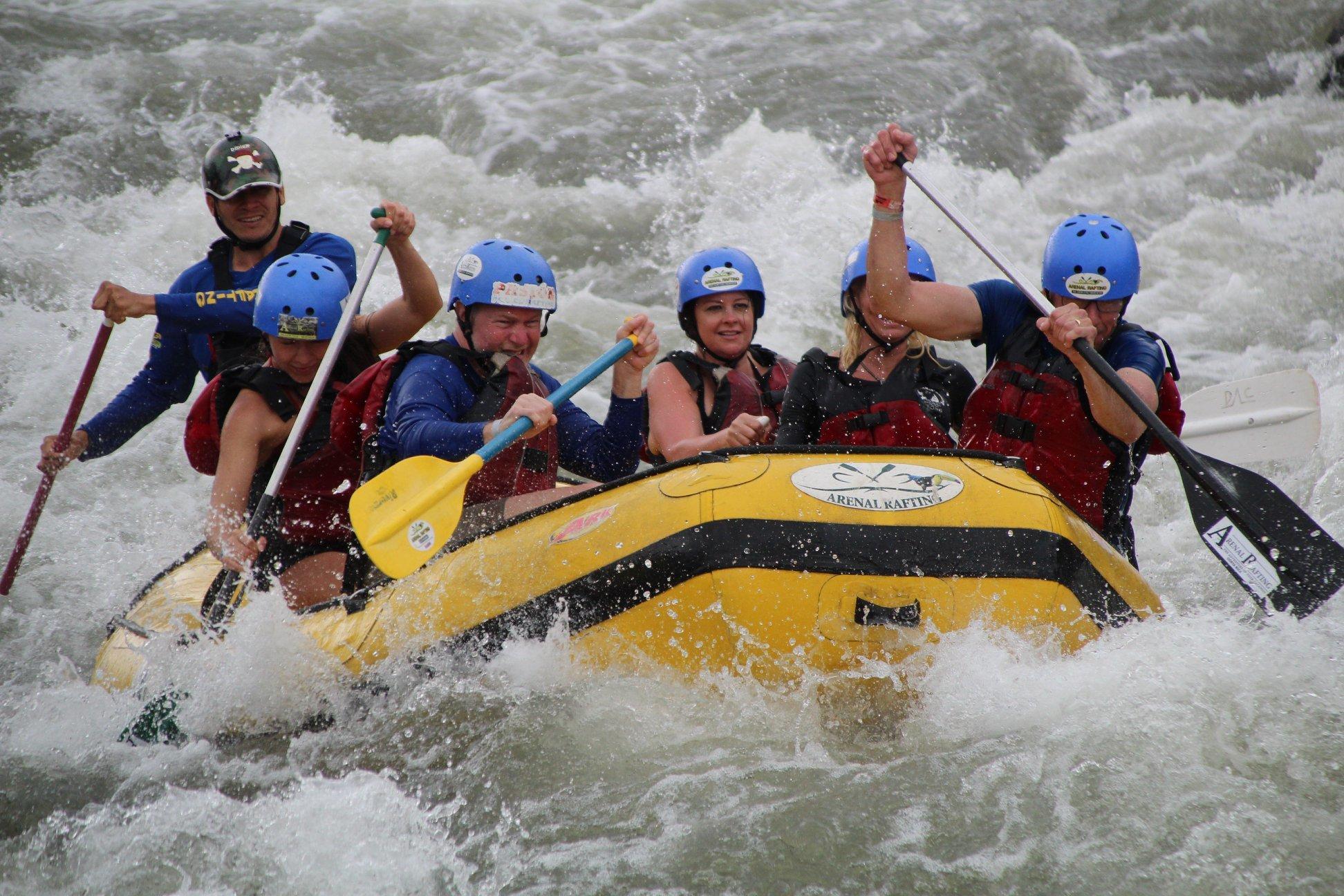 Class 2–3 · Balsa River
La Fortuna: Arenal Rafting Balsa River Class 2 & 3 Rafting
Embark on a thrilling rafting trip down the class 2 and 3 rapids of the beautiful Balsa River. Navigate 10 km downstream, stopping along the way to rest, swim and eat some fresh Costa Rican fruit.
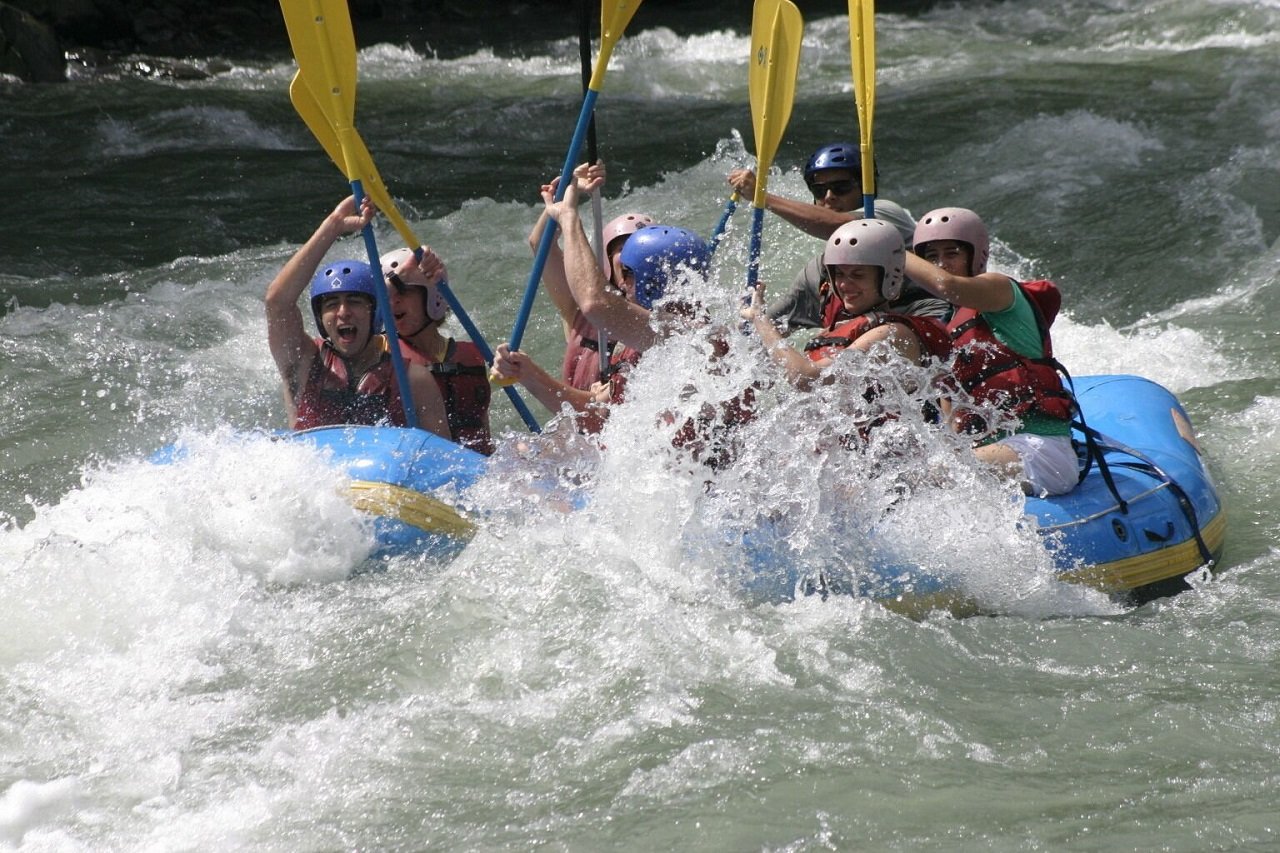 Class 3–4 · Pacuare River
From San José: Pacuare River White Water Rafting Day Trip
Discover the beauty and power of the Pacuare river on this river rafting experience from San José. Paddle past tropical rainforest and encounter 38 rapids with your rafting team on a 30 km adventure.
Field Notes
Reading the Rivers: A Costa Rica Rafting Field Guide
Where the whitewater actually is, how the rivers differ, and the handful of honest decisions that separate a good day on the water from a great one.
There is a moment, a few minutes after you drop into a Costa Rican river, when the rainforest stops being scenery and becomes the whole point. The guide calls forward, two, three, a wave breaks cold over the bow, and somewhere above the noise a toucan crosses the gorge or a sloth hangs motionless in a cecropia tree while you paddle past it sideways. That collision of jungle and whitewater is what makes costa rica white water rafting unlike rafting almost anywhere else: the rapids are real, but so are the sloths, the waterfalls cascading straight into the river, and the fresh pineapple waiting at the rest stop.
This is a field guide to that water. Costa Rica is small enough to cross in a day, but it holds a remarkable spread of rivers — gentle family floats and genuine Class 3–4 whitewater, sometimes an hour apart — and where you launch decides what kind of day you get.
Mapping the rivers — the lay of the land
One country, many very different rivers. These are the ones worth knowing before you book.
- The Pacuare River is the headline act, and deservedly so — a free-flowing river that carves a steep, jungle-walled gorge on the Caribbean slope and runs a long, continuous stretch of Class 3–4 whitewater. Most travelers reach it on a full-day trip from San José (or stay overnight near Turrialba, the rafting town at its doorstep). Expect a long string of named rapids, waterfalls dropping into the river from both banks, and stretches of protected Cabécar Indigenous territory. It is the bucket-list run, and the one with a minimum age — usually around twelve.
- The Balsa & Sarapiquí rivers around La Fortuna and Arenal are the friendly introduction. The Balsa, in the shadow of Arenal Volcano, is generally run as a Class 2–3 family trip — splashy and fun but forgiving, with a swim-and-fruit stop midway. The Sarapiquí, on the northern lowlands near Puerto Viejo, runs both gentle and more demanding sections depending on water, so it suits a range of paddlers.
- The Savegre & Naranjo rivers near Manuel Antonio and Quepos put whitewater within reach of the central Pacific beaches. The Savegre is a clean, scenic Class 2–3 run; the Naranjo turns it up, with sections that reach Class 3–4 when the water is high.
- The Tenorio River in Guanacaste is the dry northwest’s jungle run — a tight, tropical Class 3–4 stretch that pairs well with a Guanacaste or Liberia beach holiday.
The booking says "rafting." The river decides whether that means a family wave train under a volcano or a Class 4 day deep in a rainforest gorge. Choose the river, not the slogan. Field Notes · Issue 01
How to choose your river
A few plain distinctions matter more than any superlative:
- You came for the thrill. Run the Pacuare (or the Naranjo, or the Tenorio). The Pacuare’s Class 3–4 day from San José is the on-brand Costa Rica adventure — a long stretch of continuous whitewater through a roadless gorge, suitable for fit first-timers but genuinely demanding. This is the boat for the group that wants a story to tell.
- You’re travelling with kids or first-timers. Run the Balsa. The Class 2–3 trip near La Fortuna is the gentlest of the bunch — wet and exciting without the commitment of a big river, and close to the Arenal hotels where most families already base themselves.
- Pick by where you’re already staying. Costa Rica rafting is regional. Basing in La Fortuna / Arenal? The Balsa and Sarapiquí are on your doorstep. Near San José or Turrialba? The Pacuare. On the central Pacific at Manuel Antonio / Quepos? The Savegre and Naranjo. On a Guanacaste beach? The Tenorio. You rarely need to chase a river across the country — there’s almost always whitewater within an hour or two.
Compare the two trips we’ve lined up side by side in the table further down the page — the family Balsa and the bucket-list Pacuare — so you can see river class, region, price and what’s included at a glance.
What to expect on the day
Most Costa Rica rafting trips are built around a transfer, and the good ones fold it into the price. On the Pacuare day from San José you’ll be picked up early, stop for breakfast on the drive through Cartago and the Turrialba countryside, get a paddling and safety briefing at the put-in, then run several hours of river with a riverside lunch in the middle before changing into dry clothes for the ride back. The Balsa near La Fortuna is shorter and simpler — a hotel pickup, a couple of hours on the water, the swim-and-fruit stop, then back in time for the rest of your day at Arenal.
You do not need rafting experience for the family runs, and you don’t strictly need it for the Pacuare either — guides steer and call every stroke — but you should be comfortable in moving water, able to sit and paddle on command, and ready to get soaked and possibly bounced out for a moment. Trips supply the hard gear: helmet, life jacket and paddle, with safety kayakers on the bigger rivers. You bring a swimsuit, closed-toe shoes that stay on your feet, sunscreen, and a dry change of clothes. Leave anything you don’t want wet in the vehicle.
Season and timing
Costa Rica rafting is a year-round activity — these are tropical rivers, not snowmelt rivers, so they run through every month. What changes is the volume. The green season (roughly May through November) brings the country’s heaviest rains, and with them bigger, faster, more powerful water; the wettest months can push the Pacuare and the steeper Pacific rivers to their most exciting. The drier months (around December through April) bring warmer, friendlier flows that suit families and first-timers, and clearer skies for the scenery.
Whatever the month, morning departures tend to bring the calmest weather and the best light in the gorges, and popular trips fill up in peak holiday weeks. If you’re travelling in high season, book ahead rather than hoping for a same-day seat.
The rest is simple. Pick the river that matches your appetite and your base, choose a date, and let Costa Rica do the rest.
Guest Reviews
What Rafters Say
4.9/5
from 670 verified rafters
"Highlight of our trip! We had such a good time! Carlos Gonzales did an excellent job entertaining and instructing us on the trip out and was our guide as well. Kept it fun and safe. If you have the opportunity, this was a great way to enjoy the countryside and have a great meal as well. And the stop for fruit, oh my. Just some if the best pineapples and watermelons I’ve ever had. Definitely a do!"
"Another great excursion to go on with this team! The staff are so kind and fun to be around. Oso is by far THE BEST GUIDE to have. Let me tell you 10/10 I would have done it again during my trip if I had time."
"We loved the experience! First time rafting and will definitely do it again! Our guide Imanol was the best! He made it fun all the way to the end and he spotted about 3 Sloths! He even stop to make sure we where able to appreciate it!This has been the best activity that we have done in CR!"
"Cheeto was my favourite guide ever!!! Had a fantastic time! He was funny and made our groups experience the best 10/10!! If you can ask for him as your guide definitely do it 😊"
Read all 670 verified reviews
See All ReviewsReady to Run a Costa Rica River?
Lock in your spot on a guided Costa Rica rafting trip — the family-friendly Balsa near Arenal or the bucket-list Pacuare from San José. Instant confirmation and free cancellation up to 24 hours before departure. Starting from $79 per person.
Check Availability & BookCosta Rica White Water Rafting — Frequently Asked Questions
What to know before you book a rafting trip in Costa Rica.
It depends on what you want and where you're staying. The Pacuare River is the world-famous choice — a long, continuous stretch of Class 3–4 whitewater through a roadless rainforest gorge, usually run as a full day from San José or nearby Turrialba. The Balsa River near La Fortuna and Arenal is the best family-friendly option, a forgiving Class 2–3 run. Other strong rivers include the Sarapiquí in the northern lowlands, the Savegre and Naranjo near Manuel Antonio, and the Tenorio in Guanacaste. The 'best' river is usually the good one closest to your base.
They're two very different days. The Balsa, near La Fortuna and Arenal, is a half-day Class 2–3 trip — splashy and fun but gentle, with a swim-and-fruit stop, ideal for families and first-timers, from about $79. The Pacuare is a full-day Class 3–4 adventure reached from San José, with around five hours of bigger, more continuous whitewater, waterfalls and deep rainforest, from about $128 and with a minimum age (usually around 12). Choose the Balsa for an easy introduction, the Pacuare for a bucket-list day.
Yes, with the right river. The Balsa near Arenal is run as a family-friendly Class 2–3 trip and is a popular choice for kids and first-timers, with helmets, life jackets and bilingual guides included. Bigger rivers like the Pacuare run Class 3–4 water and carry their own minimum age (commonly around 12) and add safety kayakers. As with any river activity, conditions and exact age limits vary by operator and water level, so always confirm the details for your specific trip when you book.
It ranges by river. Family rivers like the Balsa are generally rated Class 2–3 — genuinely fun wave trains that are still well within reach for beginners. Marquee rivers like the Pacuare, the Naranjo and the Tenorio run Class 3–4, which is more powerful and continuous but still guide-led and open to fit first-timers. Costa Rica doesn't have much of the extreme, non-stop Class 4–5 water you'd find on a few specialist rivers elsewhere, which is part of why it's such a good place to learn.
Costa Rica's rivers run year-round because they're fed by tropical rain rather than snowmelt. The green season (roughly May through November) brings the heaviest rains and the biggest, fastest water — the most exciting whitewater of the year on rivers like the Pacuare. The drier months (around December through April) bring warmer, friendlier flows and clearer skies that suit families and first-timers. There's good rafting in every month; the water just changes character.
Dress to get wet: a swimsuit under quick-drying layers and closed-toe shoes that won't fall off — no bare feet, and flip-flops aren't suitable. Bring sunscreen, insect repellent, and a dry change of clothes for after the trip. Helmets, life jackets and paddles are provided. Leave phones, wallets and anything you don't want soaked in the vehicle; on most trips the guides or a dedicated photographer capture the photos anyway.
Usually, yes — that's one of the nice things about Costa Rica rafting. The Pacuare day trip includes round-trip transport from San José area hotels, plus breakfast and lunch. The Balsa trip includes transport from La Fortuna and many Arenal-area hotels, plus lunch and a fruit stop. Pickup zones and times vary by operator (some have a distance limit from town centers), so check the exact terms on your booking confirmation.
No. On the family rivers like the Balsa, no experience is needed at all. Even on the Pacuare's Class 3–4 water, guides steer the raft and call every stroke, so fit first-timers regularly run it — you simply need to be comfortable in moving water, able to sit and paddle on command, and ready to get wet and possibly bounced out of the boat for a moment. Listen to the safety briefing and your guide and you'll be fine.
It depends on the river and your base. The Balsa near La Fortuna is a half-day outing — roughly a couple of hours on the water plus short hotel transfers. The Pacuare from San José is a full-day commitment: an early start, a scenic drive each way, a meal stop, and around five hours of rafting in the middle. Budget a half day for the family rivers and a full day for the bucket-list ones.
Still have questions? Email us at info@costaricawhitewaterrafting.com